Professional food safety experts located in Brampton help maintain food service establishments, food distribution facilities, bakeries, warehouses, and food service vehicles in compliance. They disinfect frequently handled areas, food-contact areas, equipment, floors, drains, restrooms, and food handling areas with certified chemicals, at proper strength, and with verified times.
Important Highlights
- Sanitation experts from Brampton support restaurants, grocery departments, commissaries, warehouses, bakeries, schools, mobile vendors, and allergen-sensitive operations.
- Sectional methods disinfect frequently contacted areas, food-contact equipment, kitchens, floors, drains, restrooms, and storage areas for reducing cross-contamination.
- Filing of finalization through tests, assessments, and corrective-action records verifies qualified contractors have verified proper chemical concentration, alignment, and exposure duration.
- Regular, weekly, and annual activities assigned by zone comprise hygiene schedules grounded on threat, output capacity, format changes, spills, and guidelines.
- Highlight contractors displaying HACCP, sanitation understanding, WHMIS education, coverage, credentials, color-categorized instruments, and inspection-ready maintenance paperwork.
Brampton Facilities That Need Food Safety Cleaning: Which Ones?
Brampton establishments that handle, store, prepare, package, or serve food require sanitation protocols. Implement it if your establishment is falls under public health inspection, food premises regulations, or internal HACCP-based controls. The requirement covers eateries, dining facilities, warehouses, supermarket areas, meat counters, fish departments, retail outlets, and institutional kitchens.
Proper hygiene protocols continues to be necessary in warehouses, food manufacturing plants, cold storage sites, retail bakeries, school nutrition programs, banquet halls, and meal delivery hubs. Seasonal and mobile businesses matter as well, including mobile kitchens, market vendors, and seasonal booths. Your facility needs written cleaning standards whenever your team work with ingredients, section ready-to-serve foods, heat finished items, or maintain allergen storage. In Brampton, cleanliness is not discretionary; it forms part of regulatory, business, and safety compliance.
Which Areas Do Brampton Cleaning Experts Cover?
Professional cleaning services specializing in Brampton sanitize touched surfaces, kitchen facilities, floors, and restrooms in compliance with food safety regulations. Focus on these locations occurs because they pose maximum contamination danger, potential for accidents, and compliance issues.
When you understand what they clean, you can verify that your facility's cleaning scope meets operational and regulatory requirements.
Disinfecting High-Touch Zones
establish how often each zone is sterilized
Preventing cross-contact via replacing cloths, maintaining one-way processes, and keeping disinfection materials according to section confirms your sanitizing program stays documented, defensible, and audit-prepared.
Food Prep Areas, Flooring, and Sanitary Facilities
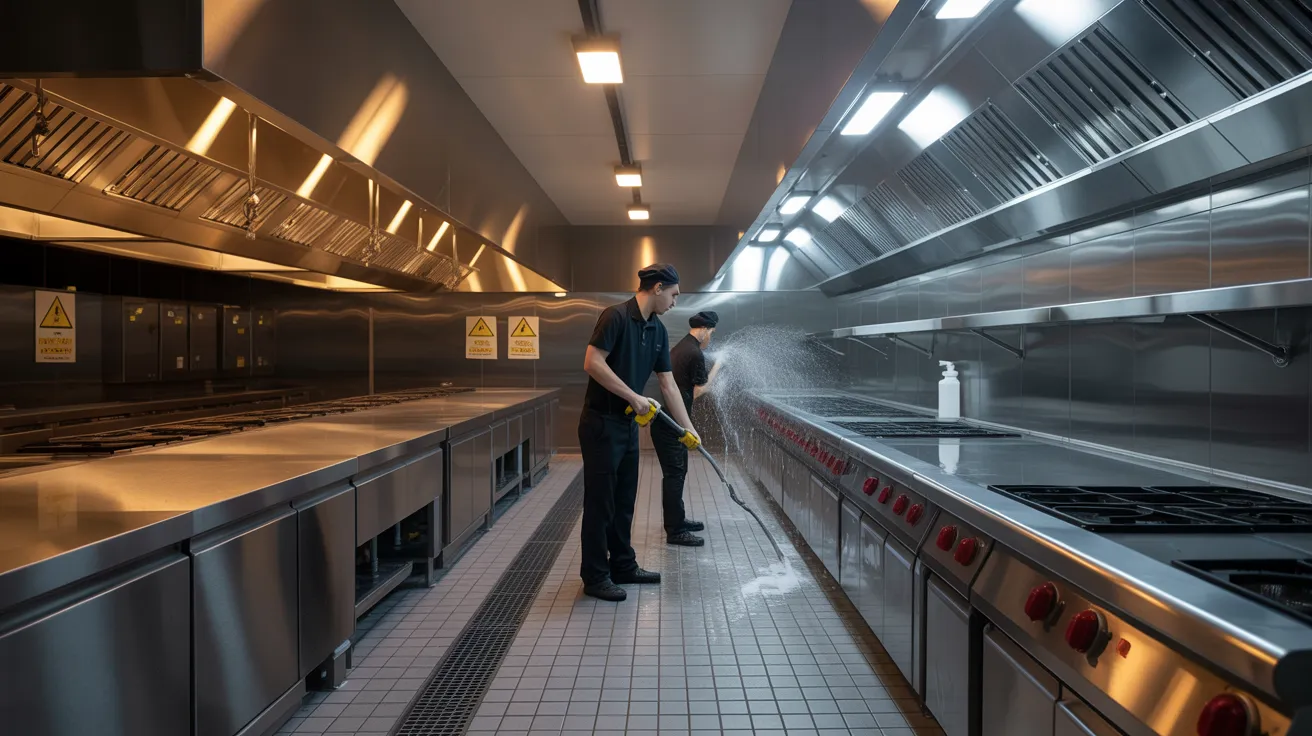
Professional cleaners in Brampton prioritize kitchens, floors, and restrooms given that each location involves distinct contamination control, falling hazards, and health code requirements. In industrial kitchens, you need grease removal from cooking stations, appliance surfaces, drain systems, preparation areas, and backsplashes to reduce bacterial growth and pest activity.
Professional floor care with documentation is also included. is likewise provided as part of the service.
For restroom sanitation, cleaners disinfect high-touch surfaces, bathroom fixtures, stall dividers, supply dispensers, and trash receptacles, then replenish amenities and manage odor. They also maintain restaurant cleaning supply rooms where product storage, sink cleanliness, and drain systems impact daily sanitation standards and worker protection.
How Food Safety Cleaning Benefits Brampton Operations
In Brampton, you must copyright food-safe cleaning standards to satisfy regulatory standards and achieve compliance. You also reduce cross-contamination by cleaning and sanitizing food-contact surfaces, equipment, and high-touch areas correctly. Most importantly, you safeguard public health by lowering the risk of foodborne illness in your facility.
Health Code Compliance
Since Brampton food establishments must follow mandatory safety protocols, your sanitation practices directly influences your ability to meet health codes, protect diners, and sidestep regulatory penalties. You must maintain sanitary food-contact surfaces, verifiable cleaning logs, proper chemical use, and verifiable staff procedures that align with municipal and provincial inspection expectations.
When cleaning standards decline, violations, corrective orders, brand harm, and service interruption from subsequent audits or enforcement reviews become risks.
Cross-Contamination Prevention
Adhering to regulatory guidelines requires your skill in preventing cross-contamination throughout daily food handling and cleaning. You need to separate raw ingredients from ready-to-eat foods, clean prep surfaces between tasks, and keep chemicals away from food-contact items. Organized systems minimize contamination events and ensure consistent compliance during inspections.
You should establish allergen separation to keep priority allergens from contacting shared surfaces, containers, or equipment. Employ separate boards, labeled implements, and careful equipment identification so staff don't mix items throughout cooking or serving. Require handwashing after handling raw meat, seafood, eggs, or allergen-containing products. Replace wiping cloths regularly, and check disinfectant potency using test kits. When you train staff to follow these controls each work period, you build a more hygienic, secure workplace that meets Brampton's food safety expectations consistently.
Community Health Protection
When food safety cleaning weaken, you don't only face inspection setbacks—you expand the chance of foodborne illness striking customers, staff, and the larger Brampton community. You also undermine your responsibility in protecting public health, especially in high-traffic food premises where pathogens travel quickly through surfaces, equipment, and touchpoints.
You require cleaning protocols that remove contaminants, sanitize effectively, and confirm results. This involves maintaining contact periods, using authorized sanitizers, logging schedules, and educating staff to satisfy regulatory requirements. These measures prevent illness spread by decreasing microbial counts before contaminating food or hands. Throughout Brampton, effective sanitation protects vulnerable communities, reduces outbreak risk, and proves your diligence. When you follow proper protocols, you exceed regulations—you lower hazards and enable safer food service region-wide.
In What Ways Does Cleaning Help Achieve Food Safety Compliance?
Strict sanitation practices ensure food safety compliance by reducing contamination risks, preventing pathogen multiplication, and keeping your facility aligned with sanitation requirements under HACCP-based programs and public health regulations. You confirm that food-contact surfaces appear visibly clean and microbiologically controlled, supporting documented preventive controls and inspection readiness.
Conscientious cleaning further strengthens allergen prevention by eliminating residues that can cause undeclared allergen exposure. When you combine verified sanitation methods with standards training, your staff can execute consistent approaches, employ approved chemicals correctly, fill out documentation thoroughly, and address variations ahead of problems worsen. Systematic cleaning promotes supply chain documentation, confirms corrective steps, and exhibits responsibility during audits. It also helps you protect product quality, copyright operational adherence, and lower the likelihood of punitive measures, market recalls, grievances, and avoidable health hazards.
Finding When to Schedule Commercial Cleaning
spill incidents, and following-maintenance work
Deep seasonal cleaning works best for shutdowns, weather-related soil buildup, or pest-pressure periods
What Should You Look For in Brampton Cleaning Experts?
Begin by evaluating providers based on food-safe sanitation requirements—not solely on budget. You should confirm that each organization comprehends CFIA, public health, and HACCP-based requirements applicable to your facility. Request insurance certificates, WHMIS compliance, staff training documentation, and oversight procedures. Assess whether technicians recognize cross-contamination risks, chemical handling protocols, and verifiable sanitation records.
You should further examine operational reliability and answerability. Request testimonials from Brampton food businesses, then review response times, corrective-action procedures, and communication protocols. Validate the company facilitates supplier audits and can supply compliance documentation to regulators or third parties. Confirm equipment receives maintenance, color-coded implements are used appropriately, and site-specific hazards are recognized. A experienced service protects compliance, product quality, and your brand reputation.
Which components are contained in a hygiene cleaning program?
Develop a written plan that makes clear every sanitation responsibility, standard, and task prior to production start. You should outline cleaning frequencies, approved chemicals, dilution rates, contact times, tools, and verification methods for each zone, surface, and piece of equipment. Include pre-operational inspections, corrective actions, and employee training requirements.
Your plan should also address cross-contamination controls, waste handling, pest-prevention measures, and documented schedules for restrooms, drains, floors, and food-contact areas. Detail how you'll keep raw and prepared foods apart, support ingredient tracking, and maintain accurate allergen labeling through validated cleaning between product changes. You should designate accountability, maintain signed records, and compare results against regulatory standards, HACCP controls, and customer requirements. When gaps appear, update procedures immediately and retrain staff.
Frequently Posed Questions
Can cleaning services support nighttime operations in Brampton facilities?
If you operate controlled facilities, you'll also require records that support inspections and maintain compliance.
Are emergency spill response solutions provided from Brampton cleaning experts?
Yes, you can find many Brampton sanitation professionals who offer emergency spill response services. They manage hazardous materials, evaluate dangers, isolate affected areas, and start rapid decontamination to minimize risk and avoid operational disruption. You should confirm response times, training certifications, PPE protocols, and disposal procedures. If your facility must comply with industry standards, choose a provider that records events, maintains regulatory procedures, and enables compliance verification.
Do environmentally safe disinfectants work safely on surfaces contacting food?
Yes, green disinfectants can be appropriate for food preparation areas if you opt for disinfectants approved for food contact and meeting regulatory standards. You should check contact times, concentration levels, and rinse requirements before application. Many natural-based solutions lower chemical burden, but you require demonstration of efficacy against target microorganisms. To keep try this surfaces residue-free, you should follow manufacturer instructions exactly and confirm the sanitizer complies with relevant food safety standards.
Can cleaning schedules adjust with production fluctuations?
Without question, cleaning schedules adapt well for seasonal production changes. Adjust frequencies, personnel, sanitizers, and confirmation procedures to match seasonal patterns while sustaining compliance standards. Minimize operational delays by planning cleaning amid production shifts, high demand periods, and equipment use patterns. Also update written procedures, instruction programs, and monitoring protocols to address seasonal hazards, novel allergens, or increased soiling. Ongoing evaluations maintain your schedule current.
Do professional cleaning services educate employees on sanitation best practices?
Absolutely, professional cleaning companies frequently provide employee education on hygiene standards. Your team gets instruction on proper chemical use, contact times, cross-contamination prevention, machine takedown, and documentation. They generally match instruction with HACCP, GMP, and CFIA or local public health requirements. Many also perform health inspections to ensure adherence, pinpoint weaknesses, and reinforce corrective actions. This helps you maintain uniform standards, pass inspections, and lower contamination dangers routinely.
Closing Remarks
Partnering with Brampton food safety and commercial cleaning professionals goes beyond tidying—it guarantees your operation stays inspection-compliant and your protocols remain compliant. From kitchen areas to production zones, each sanitized surface and maintained corner lessens contamination risk and avoids costly disruptions. By arranging service at suitable frequencies and executing a comprehensive cleaning strategy, you shield staff, your customers, and your image. In a tightly controlled market, clean environments are non-negotiable—they're vital to proper management.